


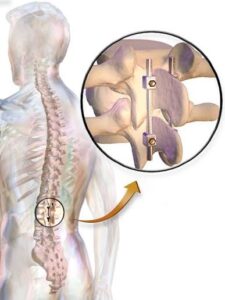
Spinal fusion is the surgical stabilization of the spine using specialized implants, usually screws and rods. It is required when there is instability — whether from a fracture or from degenerative wear — meaning that the vertebrae move more than they should (spondylolisthesis), or that the facet joints between them are affected (facet arthropathy), causing severe pain.
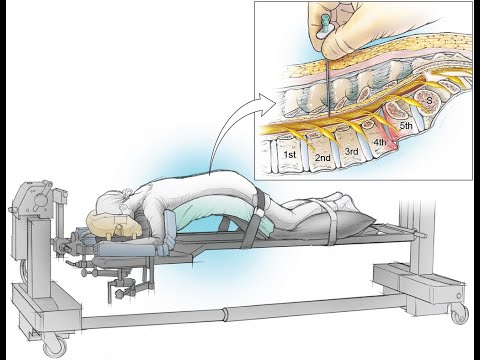
The principle of fusion is to place screws in the pedicles and/or bodies of the vertebrae and connect them with rods, preventing movement between the vertebrae and unloading the joints between them. The result is relief from pain arising both from the connection between the vertebrae and from the abnormal movement that inflames the joints. Less commonly, instability compresses neural structures and produces sensory or motor symptoms; these too are addressed by fusion.
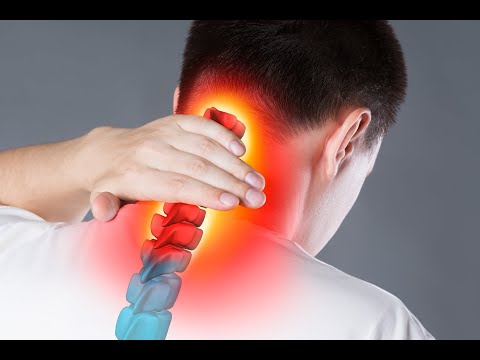
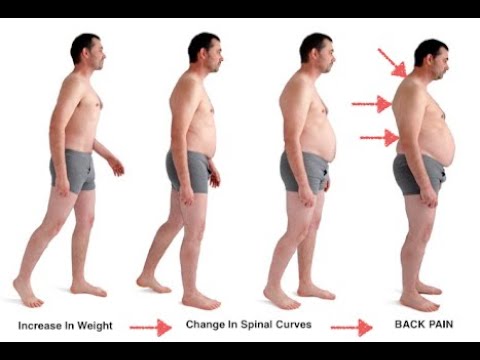
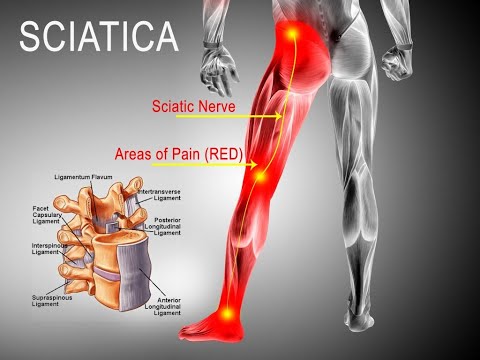
The most common symptom treated by fusion is axial low back pain. Where there is significant vertebral displacement, symptoms may also arise from compression of the neural structures — sciatica, or muscle weakness — and these are likewise addressed by fusion, although such cases are considerably rarer.
Assessing whether fusion is the right choice
Fusion is an operation whose efficacy begins at 20–30% with poor patient selection. Applied indiscriminately to every patient with low back pain, success rates rarely rise above that. With correct selection, efficacy rises to 70–80%.
The ideal candidate has generally had symptoms for at least six months to a year and has not responded to other treatment. In that setting, fusion is a good final option for patients with instability and axial low back pain or facet arthropathy — but not for other symptoms such as isolated sciatica.
Read the full article on the appropriate use of spinal fusion →
Careful, individualized selection. Because correct patient selection for fusion depends on a thorough assessment of each case, every candidate is evaluated individually through the AI-supported Personalized Evidence-Based Treatment Analysis. This produces a detailed report drawing on the current literature and on the patient’s own characteristics, which the surgeon reviews and uses to substantiate and refine the therapeutic choice. Each patient also receives a complete analysis of their history and condition, with the advantages and disadvantages of every option set out — so that, should they wish to seek a second opinion, they can present it to another doctor anywhere.
How fusion is performed
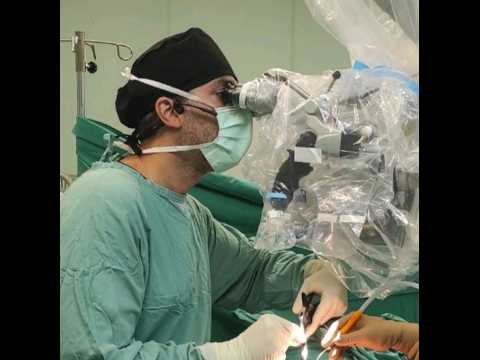
Fusion can be carried out by open surgery or by minimally invasive surgery, and Dr. Blionas performs both.
The minimally invasive method uses small skin incisions — one for each screw — with minimal muscle and bone trauma. Open fusion uses a single large midline incision, with greater muscle stripping and bone removal to expose the vertebrae. As a rule the minimally invasive approach is preferable, with lower complication rates and shorter recovery.
The two do not differ significantly in the final quality of stabilization, but they differ considerably for the patient:
- Because the muscles are not detached from the spine, postoperative pain is significantly less
- Patients mobilize sooner — often within hours — spend hours rather than days in hospital, and return to daily activities considerably faster
- Smaller incisions mean less tissue and vascular trauma, and a lower likelihood of requiring transfusion
- Lower risk of wound infection
- A better cosmetic result, with much smaller scars